Carpet Strategies by Room Size and Layout
The right carpet can do more than cover your floor, it can change the way a room feels and functions. In a small space, the right colour and style can make it feel more open, while in a large room, carpet can help create warmth and balance. For homes with unusual layouts or uneven floors, thoughtful carpet choices can smooth transitions and bring the whole space together.
In this guide, we’ll walk you through how to choose carpet based on room size and layout. You’ll find tips for making small rooms appear bigger, creating comfort in large spaces, and tackling design challenges in irregular or multi-use areas - so every room in your home looks and feels its best.
How Room Size Affects Carpet Selection
Making Small Rooms Appear Bigger
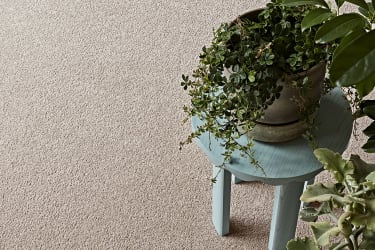
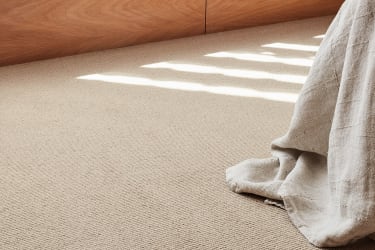
In smaller spaces, lighter carpet colours like soft creams, pale greys, or gentle beiges help reflect light, making the room feel more open and airy. Subtle patterns or textured finishes can add depth without overwhelming the space, while a uniform colour across the floor creates an unbroken visual line that tricks the eye into seeing more square footage. Low-pile or loop styles work well here, as they give a clean, streamlined look that keeps the room feeling uncluttered.
Carpet for Large Open Areas
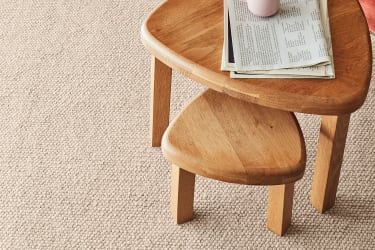
In bigger rooms or open-plan spaces, carpet can be used to bring warmth and cohesion. Medium to darker tones help anchor the space and prevent it from feeling too vast or empty. Textured cut piles, heathered blends, or patterned designs can add interest and help define different zones, such as separating a lounge area from a dining nook.
In Summary
The size and layout of a room can dramatically influence which carpet will work best — and how the space will feel once it’s installed. In small rooms, light tones, subtle patterns, and low-pile designs can open up the space and create a sense of airiness. In large or open-plan areas, deeper colours, textured piles, and clever zoning can bring warmth, definition, and balance.
For homes with uneven floors or irregular layouts, forgiving carpet styles like patterned loop piles, paired with a quality underlay, can smooth out imperfections and improve comfort underfoot. Strategic use of colour, texture, and placement can also help visually organise multi-use spaces while keeping the overall look cohesive.
By matching carpet type, pile style, and design choices to your room’s size and shape, you can create spaces that are not only beautiful but also comfortable, functional, and tailored to the way you live.